


Lemon Law Considerations for Electric Vehicles (EVs)
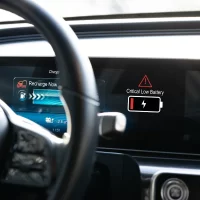
California leads the nation in electric vehicle adoption. With a history of state incentives, expanding charging infrastructure, and manufacturer commitments to electrification, EVs are now a common sight on California roads. But as electric vehicle ownership increases, so do disputes involving EV battery failures, charging malfunctions, software defects, and drivetrain problems.
While California Lemon Law applies to electric vehicles just as it does to gasoline-powered cars, EV-specific components introduce unique legal and evidentiary considerations. Understanding how battery systems, charging technology, and over-the-air software updates factor into a lemon law claim is critical for EV owners experiencing persistent defects.
Do Electric Vehicles Qualify Under California Lemon Law?
Yes. Electric vehicles are fully covered under California’s Song-Beverly Consumer Warranty Act and Tanner Consumer Protection Act, commonly referred to as the California Lemon Law. The law applies to new vehicles purchased or leased in California that are covered by a manufacturer’s express warranty.
An EV may qualify as a lemon if:
- It has a defect covered by warranty;
- The defect substantially impairs the vehicle’s use, value, or safety; and
- The manufacturer has been given a reasonable number of repair attempts but failed to fix the issue.
For EVs, the analysis is often centered around whether battery degradation, charging failure, or software malfunction rises to the level of substantial impairment.
Battery Defects and Range Loss
The high-voltage traction battery is the most expensive and technologically complex component of an electric vehicle. Manufacturers typically provide extended battery warranties, often covering 8 years or 100,000 miles (or more), but warranty coverage does not prevent disputes.
Battery-related lemon law issues frequently involve:
- Sudden and significant range loss
- Failure to hold a charge
- Battery overheating warnings
- Charging system shutdowns
- Reduced power or “limp mode” activation
- Complete battery failure
Normal battery degradation over time is expected. However, abnormal or premature degradation, especially when it materially reduces driving range or reliability, may constitute a defect. If the vehicle cannot consistently achieve a reasonable driving range or repeatedly triggers warning systems, that behavior may substantially impair its use and value.
In some cases, dealerships may attempt software recalibrations rather than replacing the battery pack. If those measures do not correct the issue and the defect persists, those visits still count as repair attempts under California Lemon Law.
Charging System Failures
Charging system defects present another common EV lemon law scenario. Unlike internal combustion vehicles, EVs rely entirely on external charging infrastructure. When onboard charging systems malfunction, the vehicle may become effectively unusable.
Common charging-related issues include:
- Inability to charge at home or public stations
- Intermittent charging interruptions
- Charging ports that fail to lock or connect
- Charging that stops at low percentages
- Fault codes preventing charging
If an EV cannot reliably charge, its primary function is compromised. Even intermittent failures can create substantial inconvenience and safety concerns, particularly if the vehicle strands drivers without adequate range.
Repeated dealership visits for charging diagnostics, software resets, or component replacements may satisfy the “reasonable repair attempts” requirement when the issue remains unresolved.
Software Defects and Over-the-Air Updates
Electric vehicles rely heavily on software to control battery management, power delivery, regenerative braking, infotainment systems, and advanced driver assistance features. Many EV manufacturers use over-the-air (OTA) updates to address bugs and performance issues remotely.
Software defects can create unique lemon law questions. Examples include:
- Screen blackouts affecting speedometer or backup camera displays
- Driver assistance system malfunctions
- Phantom braking events
- Navigation system failures affecting range calculations
- Sudden loss of power due to software glitches
Manufacturers sometimes argue that software updates are not traditional “repair attempts.” However, if a software defect substantially impairs the vehicle and repeated updates fail to resolve the issue, those attempts may still count toward lemon law eligibility.
Importantly, if a vehicle requires multiple software updates for the same recurring issue and the defect persists, the manufacturer cannot avoid liability simply because the fix was digital rather than mechanical.
Safety Impairment in EV Cases
Many EV-related defects raise significant safety concerns. Battery overheating, sudden power loss, braking system glitches, or charging failures that leave drivers stranded in unsafe locations may all qualify as safety impairments.
Under California Lemon Law, fewer repair attempts may be required when a defect poses a serious safety risk. If an EV defect could cause injury or significant hazard, even two unsuccessful repair attempts may be sufficient to create a presumption that the car is a lemon.
When Does an EV Become a Lemon?
An electric vehicle may qualify as a lemon under numerous scenarios, such as when the defect:
- Substantially limits daily usability
- Reduces driving range beyond reasonable expectations
- Causes repeated breakdowns or warning lights
- Poses safety risks
- Remains unresolved after multiple repair attempts
The manufacturer’s inability to duplicate the problem does not automatically defeat a claim. Many EV issues are intermittent or software-based. Consistent documentation of symptoms, warning messages, and service visits is critical.
Documentation Is Especially Important in EV Cases
Because EVs rely on electronic logs and software diagnostics, repair records are particularly important. Owners should ensure that dealership service orders accurately reflect complaints, including battery warnings, charging interruptions, and software malfunctions.
If the dealership states “unable to replicate” but the problem continues, that still demonstrates an ongoing defect. Video recordings, screenshots of error messages, and charging logs may also support a claim.
Remedies Under California Lemon Law
If an EV qualifies as a lemon, the manufacturer must either repurchase or replace the vehicle. A repurchase typically includes:
- The purchase price
- Sales tax
- Registration fees
- Finance charges
- Incidental damages
A mileage offset may apply based on the number of miles driven before the first repair attempt. Additionally, if the manufacturer willfully violated the law, civil penalties may be available.
The Unique Challenges of EV Lemon Law Claims
Electric vehicle lemon law cases often involve technical defenses related to battery chemistry, expected degradation, charging compatibility, or software complexity. Manufacturers may argue that certain performance characteristics are “normal” or within design parameters.
For this reason, evaluating whether an EV defect rises to the level of substantial impairment requires careful analysis of the vehicle’s repair history, warranty coverage, and real-world performance limitations.
Protecting Your Rights as an EV Owner in California
California’s push toward electrification does not diminish consumer protections. Electric vehicles are covered by the same strong lemon law protections that apply to traditional vehicles. When battery failures, charging defects, or software problems repeatedly disrupt your ownership experience, you may have the right to seek a buyback or replacement.
If your EV has persistent defects that the manufacturer cannot repair within a reasonable number of attempts, it may qualify as a lemon under California law. Contact Nita Lemon Law Firm for a free consultation to understand your options and take the appropriate next steps.