Recent Vehicle Fire Recalls and “Park Outside” Orders: What California Drivers Should Know

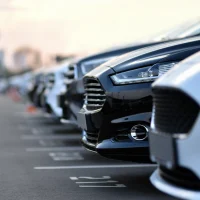
A series of recent vehicle recalls has put an unusual warning in front of consumers: park your vehicle outside and away from buildings and other vehicles until the recall repair is completed. These “park outside” orders are issued when a vehicle may catch fire while being driven or even after it has been turned off and parked.
Several major automakers have implemented fire-related recalls involving different components, including the electric hydraulic power steering system in certain Jeep Wrangler and Gladiator vehicles, engine-compartment wiring in Ford Bronco and Bronco Raptor SUVs, starter systems in BMW vehicles, and the Idle Stop and Go systems in certain Hyundai and Kia vehicles. While a recall does not automatically create a California Lemon Law claim, a serious safety defect that persists despite multiple repair attempts can give a consumer important legal rights.
More Than One Million Jeep Wranglers and Gladiators Recalled
One of the largest recent “park outside” recalls involves more than one million Jeep vehicles. In June 2026, FCA US recalled 1,076,999 model year 2021–2025 Jeep Wrangler and Gladiator vehicles because of a potential electrical connection problem involving the wiring for the electric hydraulic power steering pump. According to the National Highway Traffic Safety Administration (NHTSA), the defect can cause combustible materials to overheat and potentially ignite a fire even when the vehicle is turned off.
The recall followed an NHTSA investigation prompted by reports of fires. NHTSA identified 51 fires and one injury that were likely associated with the problem. Until repairs are completed, affected owners have been instructed to park their vehicles outside and away from buildings and other vehicles. At the time of NHTSA’s June 9 announcement, FCA had not yet made a recall remedy available.
This is particularly significant from a lemon law perspective because a manufacturer may acknowledge a serious safety defect through a recall while still being unable to provide an immediate permanent repair. A consumer should not assume that the existence of a recall eliminates the possibility of a lemon law claim.
Ford Bronco and Bronco Raptor Fire Recall
Ford has also recalled more than half a million Broncos because of a potential engine-compartment fire. The recall affects 565,691 Ford Bronco and Bronco Raptor SUVs from the 2021–2026 model years. The problem involves inadequate protection of an engine wiring harness. The harness can rub against nearby components, causing the wires to become exposed. The exposed wires can short circuit, potentially producing sparks and an engine-compartment fire. Ford’s investigation identified 15 fire incidents, although the company reported no related crashes or injuries.
Ford’s remedy involves installing additional protection over the wiring harness, including protective sheathing and abrasion tape, at no cost to owners. For an owner whose Bronco has experienced smoke, electrical problems, warning messages, or other symptoms associated with the defect, it is important to preserve all repair records. If the recall repair does not resolve the problem, subsequent repair attempts may become relevant to a California Lemon Law claim.
Hyundai and Kia Start-Stop System Fire Risks
Hyundai and Kia have also faced recalls involving their Idle Stop and Go, or “start-stop,” technology. In 2023, the manufacturers recalled nearly 92,000 vehicles because an electrical component in the transmission oil pump used by the start-stop system could overheat and cause a fire. The affected vehicles included certain Hyundai Palisade, Tucson, Sonata, Elantra, and Kona vehicles and Kia Seltos, Sportage, and Soul vehicles. Owners were instructed to park outside until the repair could be performed.
These recalls demonstrate that a fire risk does not necessarily originate with the engine itself. Modern vehicles contain numerous electrical components that can remain energized after the vehicle is parked. A defect involving one of these components can therefore create a fire risk even when the vehicle is not being driven.
BMW Starter Recalls and Fire Risk
BMW has likewise faced multiple recalls involving starter components. In September 2025, NHTSA announced a “park outside” recall involving nearly 200,000 BMW vehicles from the 2019–2022 model years, along with 1,469 Toyota Supra vehicles manufactured by BMW. The starter relay could corrode, overheat, and short circuit, potentially causing a fire while the vehicle was being driven or parked.
BMW issued another related recall in 2026. One campaign affected 87,394 vehicles because the starter motor could overheat and cause a fire, while a separate July 2026 recall involved 29,119 plug-in hybrid BMW vehicles whose starter relay could corrode, overheat, and short circuit. The latter recall included certain 2016–2020 3 Series, 5 Series, and 7 Series plug-in hybrid models.
The repeated nature of some fire-related recalls illustrates why consumers should preserve documentation even after a manufacturer performs a recall repair. A recall remedy that does not actually resolve a continuing defect can become important evidence.
When Does a Recall Become a California Lemon Law Issue?
A vehicle recall and a California Lemon Law claim are related but distinct. California Lemon Law protects consumers who purchase or lease new vehicles sold or leased in California and that are covered under the manufacturer’s original warranty. If the manufacturer is unable to repair a warranty-covered defect that substantially impairs the vehicle’s safety, use, or value after a reasonable number of opportunities, the consumer may be entitled to a repurchase or replacement.
The mere existence of a recall does not automatically make a vehicle a lemon. If the manufacturer repairs the recalled defect successfully on the first attempt, there may be no lemon law claim based on that problem.
The opposite is also true. A recall does not prevent a vehicle from qualifying as a lemon. If a vehicle continues to experience a substantial safety defect after the manufacturer has attempted to repair it, the recall may actually provide useful evidence establishing the existence of the underlying defect.
California law also provides important presumptions concerning the “reasonable number” of repair attempts. Once the manufacturer has made four or more attempts to repair the same problem, or two or more attempts to repair a problem that is likely to cause death or serious bodily injury, the vehicle is presumed to qualify for lemon law remedies, such as a refund or replacement. The precise circumstances of a claim still matter, however, and these numbers should not be treated as absolute requirements.
A serious fire hazard can present precisely the type of safety concern that makes careful documentation and prompt legal evaluation particularly important.
What Should You Do If Your Vehicle Is Subject to a “Park Outside” Recall?
First, follow the manufacturer’s and NHTSA’s safety instructions. If you have been told to park outside, do so. NHTSA advises consumers with open recalls to schedule the free recall repair promptly and to follow any “do not drive” or “park outside” instructions issued by the manufacturer.
At the same time, keep copies of everything associated with the recall. Save the recall notice, dealership repair orders, invoices, communications with the manufacturer, and documentation showing when the vehicle was presented for repair. If the vehicle exhibits symptoms related to the recalled defect, document those symptoms as well.
Most importantly, do not assume that taking the vehicle in for a recall repair ends the matter. If the defect persists, report it to the dealership and make sure the repair order accurately describes the continuing problem.
The Lemon Law Procedure Depends on the Manufacturer
California’s recent changes to Lemon Law procedure make the identity of the manufacturer especially important. Assembly Bill 1755 in 2024 created a system under which manufacturers can elect to follow new procedures contained in California Code of Civil Procedure sections 871.20 through 871.30. A follow-up companion legislation, Senate Bill 26 in 2025, gave manufacturers the choice to opt in to the new procedures or stick with the previous system.
Among the manufacturers discussed in this post, Ford, Stellantis, Hyundai, and Kia have opted into the new procedures, while BMW has not. The manufacturer’s status should be confirmed when pursuing a claim because the applicable procedural rules depend on the manufacturer’s election.
For an opted-in manufacturer, the new procedures impose additional requirements. Most notably, a consumer seeking civil penalties must provide the manufacturer with written notice at least 30 days before filing an action seeking those penalties. The notice must identify the consumer, provide the vehicle identification number, summarize the repair history and problems, and demand a repurchase or replacement. If the manufacturer makes a qualifying offer within 30 days and completes the repurchase or replacement within 60 days, civil penalties cannot be maintained.
Opt-in cases also have specialized litigation procedures. They include early mandatory disclosures, limited initial depositions, and mediation that must be scheduled within 90 days after the manufacturer’s answer and occur within 150 days. Other discovery is stayed until the mediation concludes.
For manufacturers that did not opt in, the special procedures in Code of Civil Procedure sections 871.20 through 871.30 do not apply. Instead, claims proceed under the existing California Lemon Law statutes. That difference makes it particularly important not to assume that every California Lemon Law claim follows the same process. A consumer dealing with a defective Ford, Jeep, Hyundai, or Kia will generally be on a different procedural track from a consumer pursuing a claim involving BMW.
A Recall Does Not Mean You Have to Live With a Dangerous Vehicle
A recall is an important safety mechanism, but it is not necessarily the final answer for consumers who have already experienced serious problems. When a manufacturer cannot promptly repair a safety defect, or when a recall repair fails and the defect continues, the circumstances may warrant further examination under California Lemon Law.
If your new vehicle has been subject to a serious fire-related recall, particularly one involving a “park outside” warning, keep careful records of the recall, every repair attempt, and every continuing symptom. The evidence may become important if the manufacturer cannot bring the vehicle into conformity with its warranty.
At Nita Lemon Law Firm, we help California consumers determine whether persistent safety defects and unsuccessful repair attempts may support a Lemon Law claim. If your vehicle has been affected by a serious recall and the problem continues despite repair efforts, contact Nita Lemon Law Firm to discuss your rights and whether you may be entitled to a repurchase or replacement.

